
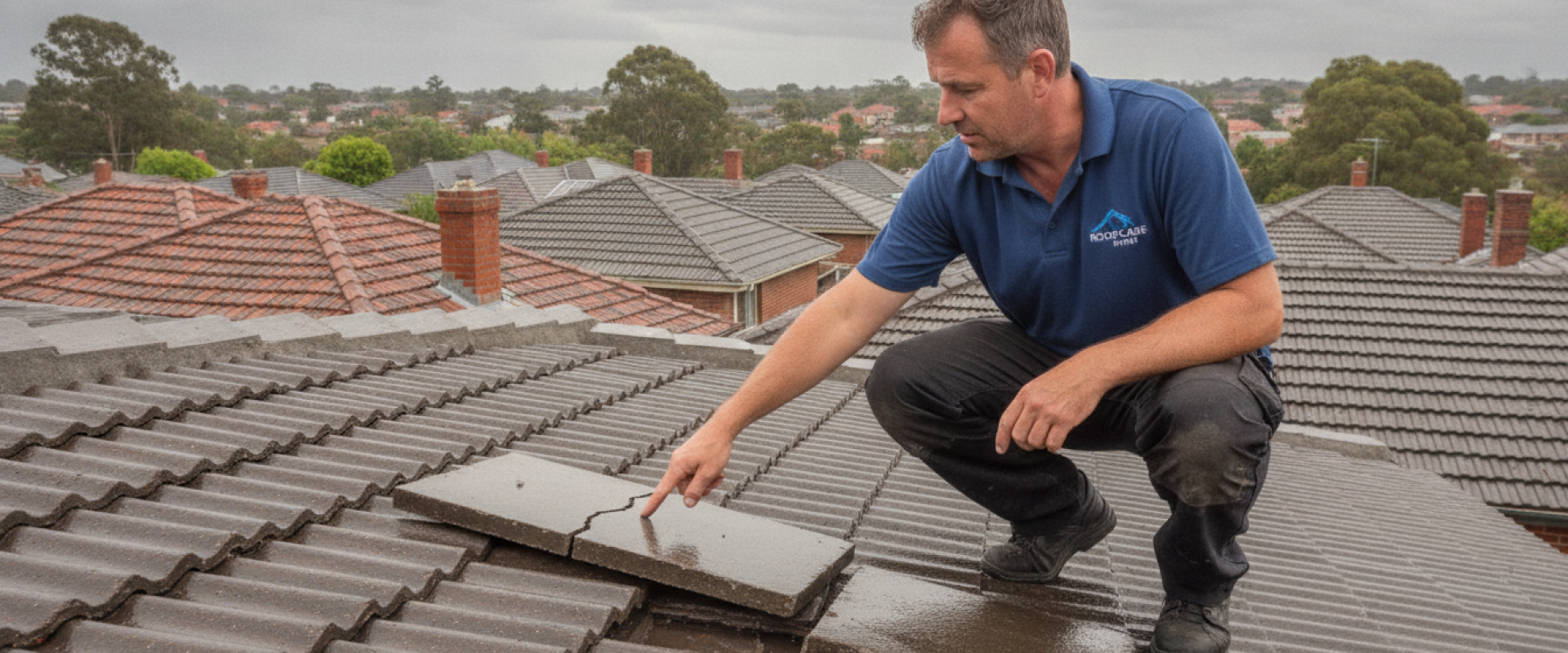
Discovering damage to your roof can be unsettling, but knowing which issues constitute urgent roof repairs is crucial for Sydney homeowners. Prompt attention protects your home from escalating damage and costly future fixes, especially with Sydney’s unpredictable weather. This guide offers a practical framework for assessing common roof damage, helping you quickly identify genuinely time-critical situations that demand immediate professional intervention, ensuring you protect your property effectively.
Key Takeaways
- Active leaks, failed flashing, and structural issues are high-priority urgent roof repairs due to immediate water damage and safety risks.
- Understanding the specific consequences of deferring each damage type, from mould to structural failure, is key to making informed repair decisions.
- Temporary measures can offer short-term protection while awaiting professional help, but they are not permanent solutions.
- Sydney's unique climate conditions accelerate certain types of roof damage, increasing the urgency for repairs.
- A systematic ground-level assessment helps you identify and document damage so you can confidently describe your observations when contacting a roofing professional for an urgent inspection or planned assessment.
Urgency Tiers With Specific Damage Types
Determining the urgency of roof damage depends on the potential for immediate structural compromise, water ingress, or safety hazards. Here, we categorise common roof issues into three urgency tiers, explaining what makes a roof repair urgent versus routine and the specific consequences of deferring each type of damage.
Tier 1: Immediate Attention Required (High Urgency)
These issues demand the quickest possible response to prevent extensive damage, safety risks, and escalating repair costs. The impact of Sydney’s heavy rain and summer storms can rapidly turn a minor issue into a major crisis.
Active Leaks and Water Ingress
An active leak, visible as dripping water or a spreading damp patch on your ceiling, is the most critical sign of roof damage. This indicates that water has breached your roof’s protective layers and is entering your home. The immediate consequence is water damage to internal structures, plasterboard, insulation, and electrical systems.
Deferring this can lead to:
- Extensive Structural Damage: Water can rot timber framing, weaken ceilings, and compromise the integrity of your home.
- Mould and Mildew Growth: Damp environments are perfect breeding grounds for mould, posing serious health risks and requiring costly remediation.
- Electrical Hazards: Water near wiring can create short circuits, power outages, and fire risks.
- Compromised Insulation: Wet insulation loses its effectiveness, leading to higher energy bills.
- Insurance Complications: Most home insurance policies require homeowners to take reasonable steps to mitigate damage once aware of it. An active leak left unaddressed may be treated as negligence, reducing or voiding your claim for the resulting internal damage.
If you have an active leak, it’s vital to act fast to stop roof leaking and prevent further harm. This is a clear case for an urgent professional inspection.
Failed or Displaced Flashing
Flashing, typically made from metal (like Colorbond steel or lead), creates watertight seals around roof penetrations such as chimneys, skylights, vents, and wall junctions. When flashing is visibly bent, cracked, rusted, or dislodged, it creates an open pathway for water. Sydney’s coastal winds are particularly destructive to flashing — salt-laden air accelerates corrosion on exposed metal edges, while storm gusts can peel back flashing that has already weakened, turning a slow deterioration into a sudden failure during a single weather event.
Consequences of deferring include:
- Localised Water Ingress: Similar to active leaks, but often more insidious as water may track along internal structures before becoming visible.
- Timber Rot: Water pooling around penetrations can cause rapid timber deterioration in roof trusses and wall frames.
- Mould and Pest Infestation: Damp, dark spaces behind walls and ceilings become attractive to pests and mould.
Structural Cracking and Sagging
Any visible cracking in roof supports or a noticeable sag in the roofline itself points to severe structural compromise. This could be due to long-term water damage, faulty construction, or extreme weather events. Sydney’s intense summer storms — which can deliver both heavy rain loads and strong wind uplift in the same event — place exceptional stress on already weakened structures. This is a significant safety hazard and a clear indicator your roof needs immediate attention.
The risks of deferring are:
- Catastrophic Roof Collapse: The most severe outcome, posing extreme danger to occupants and property.
- Extensive Repair Costs: Structural repairs are complex and expensive, increasing dramatically the longer they are delayed.
- Insurance Complications: Insurers may deny claims if damage is deemed a result of neglect rather than sudden impact.
Dealing with an Urgent Roof Repairs
Don’t wait for minor damage to become a major problem. Our expert team can provide a rapid assessment and effective solutions for urgent roof repairs in Sydney.
Tier 2: High Priority (Address Promptly)
These issues don’t pose an immediate threat of collapse or major water ingress but can quickly escalate if neglected, especially with Sydney’s variable climate. Importantly, insurers expect homeowners to maintain their roofs in reasonable condition — if Tier 2 damage is left to worsen over months and eventually causes internal damage, a resulting claim may be reduced or rejected on the grounds of inadequate maintenance.
Valley Rust and Deterioration
Roof valleys are critical channels designed to direct water off the roof. If the valley flashing, often made of galvanised steel or Colorbond, shows signs of significant rust, corrosion, or perforations, it’s a high-priority concern. Rust compromises the metal’s integrity, leading to leaks. In coastal Sydney suburbs, salt spray carried by onshore winds accelerates this corrosion significantly — valleys that might last 25 years in western Sydney can deteriorate in half that time near the coast.
Consequences of deferring include:
- Gradual Water Ingress: Water can seep through rusted areas, causing dampness in the ceiling or walls below the valley.
- Timber Rot and Mould: Prolonged dampness can lead to decay of supporting timbers and mould growth.
- Accelerated Damage: During heavy Sydney storms, a rusted valley can fail completely, leading to sudden, significant leaks.
Displaced or Cracked Tiles (Terracotta or Concrete)
Individual terracotta tiles or concrete tiles that are visibly cracked, chipped, or have slipped out of place create vulnerabilities. While a single cracked tile might not cause an immediate flood, it’s a weak point. Sydney’s summer storms, which frequently combine high winds with intense rainfall, can dislodge more tiles from around an existing gap and drive rain directly through the opening — turning a single cracked tile into widespread water ingress during a single weather event.
Deferring this can lead to:
- Localised Leaks: Water can penetrate the roof where tiles are compromised, causing ceiling stains.
- Damage to Sarking: The sarking (underlayment) beneath the tiles provides a secondary barrier, but prolonged exposure to water will degrade it.
- Increased Vulnerability: A single damaged tile weakens the entire roof’s resistance to future weather events.
Sydney’s heavy rainfall and strong winds mean that what starts as a minor roof issue can quickly escalate into a costly emergency. Prompt action is key to safeguarding your home.
Ridge Capping Failure
Ridge capping refers to the tiles or metal sections that cover the apex (ridge) of your roof. These are often mortared in place. If the mortar is cracked, crumbling, or the caps are loose, water can penetrate underneath. This is a common issue for older tiled roofs. Sydney’s temperature swings — hot summer days followed by cooler evenings — cause the mortar to expand and contract repeatedly, accelerating cracking and loosening over time.
The risks of deferring are:
- Water Ingress: Rain can enter the roof cavity through compromised ridge capping, leading to dampness and mould.
- Dislodged Caps: Strong winds can lift loose ridge caps, potentially causing damage to other parts of the roof or becoming a hazard.
- Compromised Roof Structure: Water can seep into the timber battens, causing rot over time.
Tier 3: Routine Maintenance (Schedule and Monitor)
Not all roof issues require urgent action. These damage types are genuinely manageable — they can be monitored over weeks or months and addressed through a planned assessment at your convenience. However, monitoring means regular checking, not ignoring. Documenting their progression helps you catch the point where a routine issue tips into Tier 2 territory.
Surface Moss and Lichen Growth
Green moss patches or pale lichen on terracotta or concrete tiles are common on south-facing roof slopes and shaded areas. While unsightly, they don’t cause immediate structural damage. Over the longer term, moss roots can work into micro-cracks in tile surfaces and mortar joints, and the organic matter retains moisture against the tile surface.
What to monitor:
- Coverage Spread: If moss is limited to a small patch, it can wait for a scheduled clean. If it’s spreading rapidly across multiple rows of tiles, the retained moisture is beginning to affect the tile surface — schedule professional cleaning before it causes erosion.
- Mortar Degradation: Check whether moss is growing into mortar joints around ridge capping or bedding. If so, it’s accelerating what would otherwise be slow mortar deterioration.
Minor Surface Rust on Metal Roofing (No Perforations)
Small surface rust spots on Colorbond or galvanised steel roofing, where the paint coating has worn but the metal is not yet perforated, are a maintenance item rather than an emergency. Sydney’s coastal humidity and salt air will cause these spots to grow over time, but at the surface-rust stage you typically have months before perforation occurs.
What to monitor:
- Rust Size and Colour: Surface rust appears as small orange-brown spots. If you notice flaking, dark brown or black discolouration, or any visible hole — even a pinprick — upgrade this to Tier 2 and schedule a prompt repair.
- Location: Rust near valleys, gutters, or screw fixings is higher risk than rust on an open sheet face, because water concentrates at those points.
Cosmetic Paint Fade and Chalking on Colorbond
A faded or chalky appearance on a Colorbond roof is a normal sign of UV weathering, particularly on north-facing slopes that cop the full force of Sydney’s summer sun. This is purely cosmetic in the short term — the underlying steel remains protected by its metallic coating layer even after the paint fades.
What to monitor:
- Chalking Severity: Run a finger across the surface (or observe rainwater runoff colour). Light chalking is normal. Heavy chalking, where the colour noticeably transfers or runoff stains gutters, indicates the paint layer is significantly depleted — at that point, scheduling a roof coating or restoration prevents the next stage of deterioration.
How to Assess Roof Damage From Ground Level
You should never climb onto a damaged or wet roof yourself. But you can gather genuinely useful information from the ground and from inside your home — enough to determine the urgency tier above and give a roofing professional a clear picture of what they’re dealing with. Here’s a systematic approach.
What You Need
- Binoculars or a smartphone camera with optical zoom
- A torch (for inspecting the roof cavity through the manhole)
- Your phone for photos and notes
Exterior Walk-Around
Walk the full perimeter of your home, pausing at each side to scan the corresponding roof section. Stand well back — you’ll see more of the roof slope from a distance than from directly underneath the eaves.
- Roofline profile: Look along the ridge line and each hip line. Any dipping, bowing, or unevenness in what should be a straight line suggests structural movement (Tier 1).
- Ridge capping: Use binoculars to check for gaps between ridge caps, visible mortar crumbling, or caps sitting at odd angles. Missing caps are obvious; lifted or rotated ones are easily missed without magnification.
- Roof surface: Scan for missing tiles (you’ll see a dark gap or exposed sarking), cracked tiles (visible line across the tile face), or displaced tiles sitting higher or lower than their neighbours. On metal roofs, look for rust patches, lifted screws, or sheets that appear to have shifted.
- Valleys: Check where two roof slopes meet. Look for visible rust streaking, debris accumulation, or water staining on the fascia or wall below the valley — a rust stain running down from a valley is a strong indicator of valley deterioration.
- Flashing: Examine the junctions around chimneys, skylights, vent pipes, and where the roof meets a wall. Look for gaps, lifting edges, rust, or sealant that has cracked and pulled away.
- Gutters and downpipes: Check for sagging gutter sections, overflow stains on fascia boards, and granule accumulation in gutters (a sand-like residue that indicates tile surface erosion). Peeling paint or water staining on fascia or eaves often points to a problem above that point on the roof.
Interior Checks
- Ceilings: Walk through each room and look for water stains (brownish rings or patches), bubbling or flaking paint, sagging plasterboard, or damp spots. Note which room and roughly where on the ceiling — this helps locate the source on the roof above.
- Roof cavity: If you have a manhole (typically in a hallway or laundry ceiling), open it and shine a torch around the cavity. Look for daylight coming through the roof (indicating missing or cracked tiles), damp or discoloured insulation, dark water-tracking marks along rafters or battens, and any visible mould on timber surfaces. A musty smell in the cavity, even without visible moisture, suggests ongoing dampness.
- After rain: Check ceilings and the roof cavity again within a few hours of heavy rain. Some leaks only appear under sustained or heavy rainfall and are invisible in dry conditions.
How to Document What You Find
Good documentation helps you track whether an issue is stable or worsening, and gives a roofing professional the information they need before arriving on site.
- Photograph each issue twice: one wide shot showing the location on the house (e.g. “north-facing slope, left of the chimney”) and one close-up of the damage itself using your camera’s zoom.
- Note the date and which side of the house (use compass directions or landmarks like “street-facing” or “above the garage”).
- Record when you first noticed it and whether it has changed since — a stain that’s growing after each rain is more urgent than one that has been static for months.
- For Tier 3 items, re-check and photograph quarterly so you can spot the transition toward Tier 2 before it becomes urgent.
Temporary Protective Measures While You Wait
While waiting for a professional roofing team to address urgent roof repairs, especially for active leaks or exposed areas, temporary protective measures can help limit further damage. Remember, these are not permanent solutions and should only be used to buy time.
- Contain Active Leaks: Place buckets or containers under any drips. For widespread leaks, spread plastic sheeting over furniture and flooring in the affected area. If water is pooling on a plasterboard ceiling (visible as a bulge), place a bucket beneath it and carefully puncture the centre of the bulge with a screwdriver to release the water in a controlled manner — an uncontrolled collapse is far more damaging.
- Tarp Over Damaged Areas: If it’s safe to do so from ground level (never climb onto a wet or damaged roof yourself), you can carefully place a heavy-duty tarp over the compromised section of the roof. Secure the tarp by weighing down the edges with bricks or timber, extending it well beyond the damaged area to prevent water from running underneath. A blue poly tarp of at least 200 microns is heavy enough to resist moderate wind; lighter tarps will shred in Sydney storm conditions.
- Clear Debris from Valleys and Gutters: Blocked valleys or gutters can cause water to back up and overflow into the roof cavity. Safely clear any leaves, branches, or debris from gutters you can reach from ground level or a stable ladder positioned on flat ground. Do not lean a ladder against the gutter itself — it will buckle.
- Avoid DIY Roof Climbing: For safety reasons, especially with structural damage or during adverse Sydney weather, avoid climbing onto the roof yourself. Assess damage from ground level using binoculars if necessary.
- Turn Off Electrical Circuits: If water is leaking near light fittings, power points, or electrical wiring, switch off the relevant circuit at the switchboard before touching anything in the affected area. Water and electricity are a lethal combination.
These actions can help mitigate immediate risks, but the ultimate solution for urgent roof repairs requires the expertise of professionals like St George Painting & Roof Restoration. Engaging in why professional roof restoration is essential ensures a lasting repair.
What to Tell Your Roofing Professional
When you contact a roofer, having clear, specific information helps them assess urgency over the phone, prioritise your job, and arrive prepared with the right materials. Here’s what to cover:
- Describe what you can see, not your diagnosis. Say “there’s a spreading brown stain on the ceiling below the valley on the north side” rather than “the valley is leaking.” The professional will diagnose the cause — your job is to give them accurate observations.
- Specify the location. Use compass directions or landmarks: “the street-facing slope,” “above the back bedroom,” “near the chimney on the eastern side.” This lets the roofer plan access and identify the likely roof section before arrival.
- Note the timeline. When did you first notice the issue? Has it worsened — and if so, over days, weeks, or months? Does it appear or worsen only during rain? A stain that appeared overnight during a storm is a different situation from one that has been slowly growing for six months.
- Mention recent weather. If there was a significant storm, hailstorm, or sustained high winds before the damage appeared, say so. This helps the roofer anticipate the type of damage and can be relevant for insurance claims.
- Share your photos. Most roofers accept images via text message or email. The wide-shot-plus-close-up approach from the assessment section above gives them exactly what they need to triage remotely.
- Describe any temporary measures you’ve taken. If you’ve tarped an area or placed buckets, let them know — it tells them what’s protected and what still needs immediate attention.
Frequently Asked Questions
How can I assess roof damage safely from the ground?
Use binoculars to inspect your roof for cracked or missing tiles, displaced ridge capping, or signs of rust in valleys. Look for water stains on exterior walls or sagging in the roofline. Check inside your home for ceiling stains and inspect the roof cavity through the manhole with a torch, looking for daylight, damp insulation, or water-tracking marks on timber. Never climb onto your roof, especially if you suspect damage or during adverse weather. See the full ground-level assessment framework above for a step-by-step approach.
How does Sydney weather accelerate roof damage?
Sydney’s climate attacks roofs on multiple fronts simultaneously. Heavy rain exploits even minor cracks and gaps, driving water into the roof cavity. Coastal winds carry salt spray that accelerates corrosion on metal components — valleys, flashing, and screws near the coast can deteriorate in half the time of those in western suburbs. Summer storms combine intense rainfall with strong gusts that dislodge weakened tiles, ridge caps, and flashing in a single event. UV exposure degrades paint coatings and makes terracotta and concrete tiles more brittle over time. And the daily temperature cycling — hot days followed by cooler nights — causes mortar in ridge capping and bedding to expand and contract, cracking it progressively over the years.
When should I call for an urgent inspection versus a planned assessment?
Call for an urgent inspection immediately if you observe active leaks, visible structural damage (sagging, large cracks), or widespread flashing failure — these are Tier 1 issues where every hour of delay increases the risk and cost. Schedule a prompt appointment (within days, not weeks) for Tier 2 issues like valley rust, displaced tiles, or failing ridge capping — they won’t cause a crisis overnight, but they will worsen with the next storm. For Tier 3 items like surface moss, minor surface rust without perforation, or cosmetic paint fade, schedule an assessment at your convenience and monitor quarterly. If you see warning signs your roof needs restoration, it’s wise to act proactively.
What are the long-term consequences of ignoring roof damage?
Ignoring roof damage can lead to escalating repair costs, extensive internal water damage, mould growth, structural compromise, and potential health hazards. It can also void your home insurance policy for related claims if deemed due to neglect. Early intervention through roof restoration or targeted repairs is always more cost-effective.
Can minor roof damage be fixed with a quick repair?
Yes, many minor issues like a single cracked tile or a small section of loose ridge capping can often be addressed with a targeted repair. However, a professional assessment is crucial to ensure the ‘minor’ damage isn’t indicative of a larger underlying problem or widespread wear that would benefit from a full roof restoration in St George.
Conclusion
Understanding which roof damage needs immediate attention is vital for any Sydney homeowner. By recognising the three urgency tiers and the specific consequences of deferring various issues, you can make informed decisions to protect your property. Active leaks, failed flashing, and structural cracking demand the quickest response. Valley rust, displaced tiles, and ridge capping failure should be addressed promptly to prevent escalation. And routine items like surface moss or cosmetic fade can be monitored and scheduled at your convenience — as long as you’re genuinely monitoring them rather than forgetting about them. Regular inspections and timely intervention, ideally from a professional, are the best defence against the unpredictable Sydney weather.
Don’t let minor roof problems turn into major headaches. Use the ground-level assessment framework above to document what you can see, then contact a roofing professional with a clear description of your observations — the location, what you noticed, when it started, and whether it’s worsening. That information helps them prioritise your situation and arrive prepared. Whether you need a targeted repair or a full roof restoration, professional assessment is your best next step.
Related resources
- Roof Restoration vs Roof Replacement
- Roof Restoration Quote
- St George Roof Restoration
- How Long Does Roof Paint Last? What Sydney Homeowners Should Know
- Best Roof Coating for Sydney Homes
- What Time of Year Is Best to Replace a Roof
- How Can You Find the Best Roof Restoration Experts in Chipping Norton, Sydney
- Local Roof Restoration Hurstville, Sydney
- Roof Restoration Chipping Norton
- Roof Restoration Wattle-Grove
Visit St George Painting & Roof Restoration Today
Ready to address your roof’s urgent needs or schedule a comprehensive assessment? Get in touch with our expert team for tailored advice and a reliable solution.