
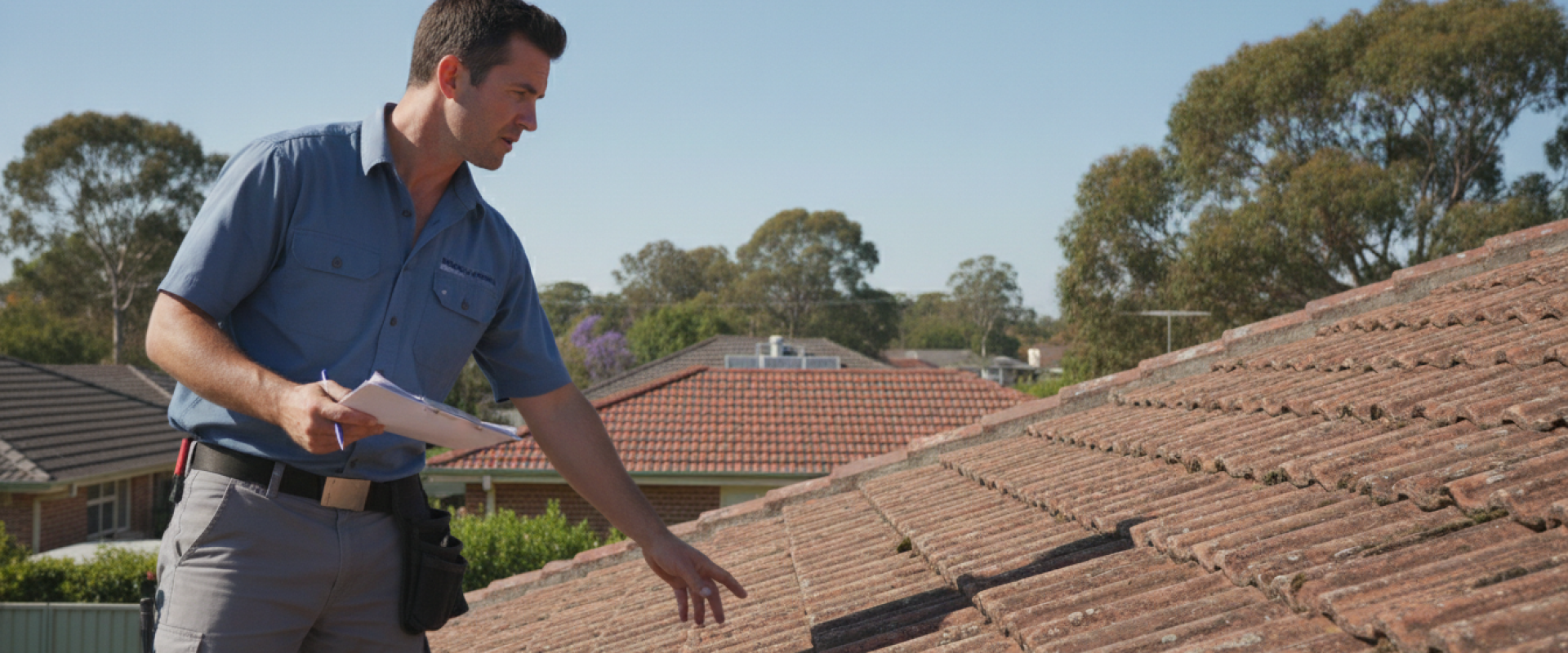
Deciding between roof restoration services and a complete roof replacement is a significant decision for any Sydney homeowner. This choice impacts not only your budget but also your home’s longevity, appearance, and structural integrity. Understanding the key differences, including the process, costs, expected lifespan, and the level of disruption, is crucial to making an informed decision that suits your specific situation and property needs when considering roof restoration vs roof replacement. As Sydney’s roof restoration specialists, we offer practical insights to help homeowners make a confident decision based on their roof’s actual condition rather than guesswork.
Key Takeaways
- Roof restoration revitalises an existing roof, extending its life and improving appearance at a lower cost and with less disruption.
- Roof replacement involves removing the old roof and installing a new one, offering maximum longevity and a fresh start but at a higher cost and greater disruption.
- The ideal choice depends on your roof’s current condition, material (concrete, terracotta, metal), age, and your budget.
- A professional assessment is essential to accurately determine if your roof is a candidate for restoration or if replacement is unavoidable.
- Both options enhance your home’s protection and value, but replacement offers a longer-term solution for severely damaged or aged roofs.
What Is Roof Restoration vs Roof Replacement
Roof restoration is a comprehensive process designed to repair, revitalise, and protect your existing roof without replacing the entire structure. It’s an ideal solution for roofs that show signs of wear but are still structurally sound.
The Process and What to Expect
A typical roof restoration involves several key steps. First, the roof undergoes a thorough cleaning to remove dirt, moss, lichen, and other debris. This prepares the surface for subsequent treatments. Any necessary roof repair work, such as replacing broken tiles, repairing ridge capping, or fixing minor leaks, is then carried out. This addresses vulnerabilities and ensures the roof’s integrity. Finally, a high-quality primer and two coats of a durable, protective roof coating are generally applied to Sydney homes. This roof membrane not only seals and protects the roof from the elements but also enhances its aesthetic appeal.
From start to finish, most restorations take 2 to 5 days. As a homeowner, you can generally stay in the house and continue your normal routine throughout. Expect some noise from pressure cleaning and tile work during business hours, and the occasional tradesperson moving across your roof. Your home remains watertight the entire time because the existing roof structure stays in place — coatings are applied over it, not instead of it.
The scope of restoration focuses on improving the roof’s current condition, extending its lifespan, and enhancing its curb appeal. It addresses issues like fading, minor leaks, and general wear and tear, making it a cost-effective alternative to full replacement for suitable roofs. For a more in-depth understanding, explore restoring and protecting your roof.
What Is Roof Replacement?
Roof replacement, also known as re-roofing, involves completely removing your existing roof and installing a brand-new one. This option is typically considered when a roof has reached the end of its functional life, is severely damaged, or when homeowners desire a complete change in material or style.
The Process and What to Expect
The roof replacement process begins with the careful removal of all existing roofing materials, right down to the decking or battens. This generally allows for a thorough inspection of the underlying structure and any necessary repairs or upgrades to meet current building codes, such as the National Construction Code. New underlayment, flashing, and the chosen roofing material (whether new concrete roof tiles, terracotta roof tiles, or Colorbond metal sheeting) are then installed. The process concludes with the proper disposal of old materials and a final clean-up.
A full replacement typically takes 1 to 2 weeks, and sometimes longer for complex roof designs or if structural repairs are uncovered during strip-out. During the project, expect significant noise from demolition and installation, skip bins on your driveway, and debris netting or temporary barriers around your home. There will be a period — usually a day or two during the transition between old and new materials — when sections of your roof are open to the sky. Roofers use heavy-duty tarps and temporary coverings to protect your home during this stage, but it does mean the work is weather-dependent, and a run of wet days can extend the timeline. You can usually remain in the home, though some homeowners with young children or pets choose to arrange a day or two away during the noisiest demolition phase.
The scope of replacement is comprehensive, offering a fresh start with a completely new roofing system. This ensures maximum longevity, superior protection, and the opportunity to update your home’s look significantly. It’s a long-term investment that eliminates existing issues and provides peace of mind for decades. Considering the best time to replace a roof can also help minimise disruption.
Comparison — Cost, Lifespan and Disruption
When weighing roof restoration against roof replacement, three critical factors stand out: cost, lifespan, and the level of disruption to your daily life. Understanding these comparisons can help you align your choice with your budget, long-term goals, and tolerance for inconvenience. This comparison will help you decide between roof restoration vs roof replacement.
Cost Comparison
Roof Restoration: Generally, restoration is significantly more affordable than replacement. The cost varies depending on the roof size, material, and extent of repairs needed. The primary factors driving this price are the intensity of cleaning, the amount of repair work (like ridge capping adjustments or minor roof leak solutions), and the quality of the protective coatings applied. For current pricing, it’s best to contact us for a free quote.
Roof Replacement: This is a more substantial investment. The cost varies widely based on the roof’s size, pitch, material chosen (e.g., premium terracotta tiles will be more expensive than standard concrete tiles), structural repairs required, and accessibility. While the upfront cost is higher, it reflects the value of a brand-new, long-lasting roofing system. For a detailed estimate, please get in touch for a tailored quote.
Lifespan and Longevity Comparison
Roof Restoration: A well-executed roof restoration can generally extend the life of your existing roof by 10 to 15 years. This longevity depends heavily on the initial condition of the roof, the quality of materials used in the restoration, and ongoing maintenance. Understanding how long roof paint lasts is also a key factor in a restored roof’s durability.
Roof Replacement: A new roof offers the longest lifespan. Depending on the material, a replaced roof can last:
- Colorbond Metal: 25-40 years
- Concrete Roof Tiles: 40-50 years
- Terracotta Roof Tiles: 50-80 years
This extended lifespan makes replacement a compelling option for homeowners seeking maximum durability and minimal future concerns. This is a key difference in the roof restoration vs roof replacement decision.
Level of Disruption
Roof Restoration: This process typically involves less disruption. Most restorations are completed within 2-5 days, depending on the roof size and complexity. While there will be noise and tradespeople on-site, daily life can largely continue as normal, and the property remains watertight throughout. You won’t need to move furniture, cover belongings, or worry about dust and debris inside the home.
Roof Replacement: Replacing a roof is a more intrusive process, often taking 1-2 weeks or longer. It involves significant noise, debris, and a period where the roof is partially or entirely open to the elements (though temporary coverings are used). Dust and small debris can sometimes find their way into ceiling cavities, so covering stored items in the roof space is a sensible precaution. You may also need to plan around skip bin placement on your driveway and coordinate with neighbours about noise and access. This can be more disruptive to household routines and requires careful planning, especially regarding weather conditions.
Not sure which option your roof needs?
Get clarity and confidence in your decision. Speak with a roofing expert today for a professional assessment tailored to your home’s unique condition.
When to Restore vs When to Replace
Making the right decision between roof restoration and replacement hinges on a careful assessment of your roof’s current condition, its material, and its age. An honest professional assessment is crucial to getting accurate advice on roof restoration vs roof replacement.
Conditions for Restoration
Roof restoration is typically suitable if:
- Structural Integrity is Sound: The underlying structure of your roof, including trusses and battens, must be in good condition. Restoration can’t fix fundamental structural flaws.
- Minor to Moderate Wear: Your roof exhibits signs like fading, moss or lichen growth, minor leaks that are easily repairable, or superficial cracking on tiles. These are often indicators that signs your roof needs restoration.
- Material Compatibility: Most concrete roof tiles, terracotta roof tiles, and Colorbond metal roofs can be restored effectively. The key is that the material itself hasn’t degraded beyond repair.
- Age Consideration: As a general guide, restoration tends to be most effective when your roof is within the first half to two-thirds of its expected material lifespan. For concrete tiles, that typically means roofs under about 30 years old; for terracotta tiles, under roughly 50 years; and for Colorbond metal roofs, under about 20-25 years. This allows the restoration to provide a worthwhile extension to its service life.
A professional roof assessment is the most critical step. An expert can accurately diagnose the extent of damage and recommend the most cost-effective, long-term solution, ensuring you don’t overspend or opt for a temporary fix when a permanent one is needed.
Conditions for Replacement
Roof replacement becomes the necessary option when:
- Extensive Structural Damage: If the roof’s decking, trusses, or supports are rotten, sagging, or severely compromised, restoration is not a viable solution.
- Widespread Material Degradation: This includes widespread cracking, crumbling, or delamination of tiles, severe corrosion or perforations in metal sheeting, or irreparable damage across a large portion of the roof. The type of roof material (concrete, terracotta, metal) significantly affects this decision, as each has a different expected lifespan and failure modes.
- Persistent Leaks: If your roof suffers from multiple, recurring leaks that are difficult to pinpoint or repair, it often indicates a systemic failure that only replacement can address.
- Beyond Economic Repair: Sometimes, the cost of extensive repairs needed for a restoration approaches or even exceeds the cost of a new roof, making replacement the more sensible financial decision.
- Severe Age: Material age matters too: concrete tiles typically last 40-50 years, terracotta 50-80 years, and Colorbond 25-40 years. If your roof is at or near the end of its expected material lifespan, replacement offers a better return on investment.
What to Ask Your Roofing Professional
Getting honest, useful advice starts with asking the right questions during your roof assessment. A reputable roofer will welcome these — anyone who deflects or pressures you toward one option without explanation is a red flag. Here’s what to cover:
- “Can you show me the specific damage you’ve found?” Ask for photographic or video evidence taken during the inspection. A trustworthy professional will walk you through exactly what they’ve seen — cracked tiles, corroded flashings, sagging battens — not just give you a general verdict.
- “Is my roof structurally sound enough for restoration, or is there underlying damage?” This is the single most important question. If the answer is restoration, ask them to explain why the structure can support it. If replacement, ask what specific structural issues rule restoration out.
- “Can you provide an itemised quote for both restoration and replacement?” Even if only one option is recommended, seeing the cost breakdown for both helps you understand the value proposition and confirms the roofer has genuinely assessed both paths rather than defaulting to the more expensive one.
- “What materials would you use, and what warranty do they carry?” Quality of coatings, tiles, or sheeting directly affects how long the work lasts. Ask for product names and manufacturer warranties, not just the installer’s workmanship guarantee.
- “How long do you expect this to last given my roof’s current condition?” A vague “years” answer isn’t enough. Push for a realistic range based on your specific roof material, age, and the work being proposed.
- “What’s the timeline, and what will the day-to-day disruption look like?” Understand when the crew will arrive, how long each phase takes, and whether there are any days you should plan to be out of the house.
- “Are you licensed, insured, and able to provide references for similar jobs?” In NSW, roofing work over a certain value requires a licensed contractor. Ask for their licence number, proof of public liability insurance, and contact details for past clients with a similar roof type to yours.
Frequently Asked Questions
How long does a roof restoration last?
A professional roof restoration can extend the life of your roof by 10 to 15 years, depending on the initial condition of the roof, the quality of materials used, and proper maintenance. Regular cleaning and inspections can further maximise its longevity.
Is roof replacement always better than restoration?
Not necessarily. While replacement offers a longer lifespan, restoration is a highly effective and more cost-efficient solution for roofs that are structurally sound but showing signs of wear. The “better” option depends entirely on your roof’s specific condition and your budget for roof restoration vs roof replacement.
How can I tell if my roof needs restoration or replacement?
Look for signs like extensive moss or lichen, faded colour, minor leaks, or cracked tiles for restoration. Replacement is typically needed for widespread structural damage, severe and persistent leaks, or if your roof is at the end of its expected material lifespan. The best way to know for sure is to get a professional inspection.
What’s the typical timeline for each service?
Roof restoration usually takes 2-5 days for an average residential roof. Roof replacement is a more extensive project, often requiring 1-2 weeks or sometimes longer, depending on the roof’s size, complexity, and weather conditions.
Does roof material affect the decision?
Yes, in our experience, the type of roof material significantly impacts the decision between restoration and replacement. Different materials, such as concrete roof tiles, terracotta roof tiles, and Colorbond metal roofs, have varying expected lifespans and common failure modes. For example, terracotta is highly durable and often suitable for restoration even at an older age, while severely corroded Colorbond might necessitate replacement. A professional can advise based on your specific material when considering roof restoration vs roof replacement.
Conclusion
Choosing between roof restoration and roof replacement for your Sydney home is a critical decision that impacts your property’s protection, appearance, and value. Understanding the key differences in process, cost, lifespan, and disruption empowers you to make an informed choice.
Whether your roof needs a revitalising restoration or a complete replacement, the right solution depends on its current condition, material, and age. While restoration offers a cost-effective way to extend your roof’s life and enhance its look, replacement provides a long-term, comprehensive solution for roofs that are severely damaged or have reached the end of their functional lifespan. Remember, investing in professional roof restoration or replacement is an investment in your home’s future.
The next crucial step is to seek a professional roof assessment. An experienced team, like St George Painting & Roof Restoration, can accurately diagnose your roof’s condition, clearly explain your options, and provide tailored advice to ensure you choose the best path forward for your Sydney home when considering roof restoration vs roof replacement.
Related resources
Ready for a free roof assessment?
Gain peace of mind with a complimentary, no-obligation roof assessment for your Sydney home. We’ll provide a detailed quote tailored to your roof’s specific needs.