
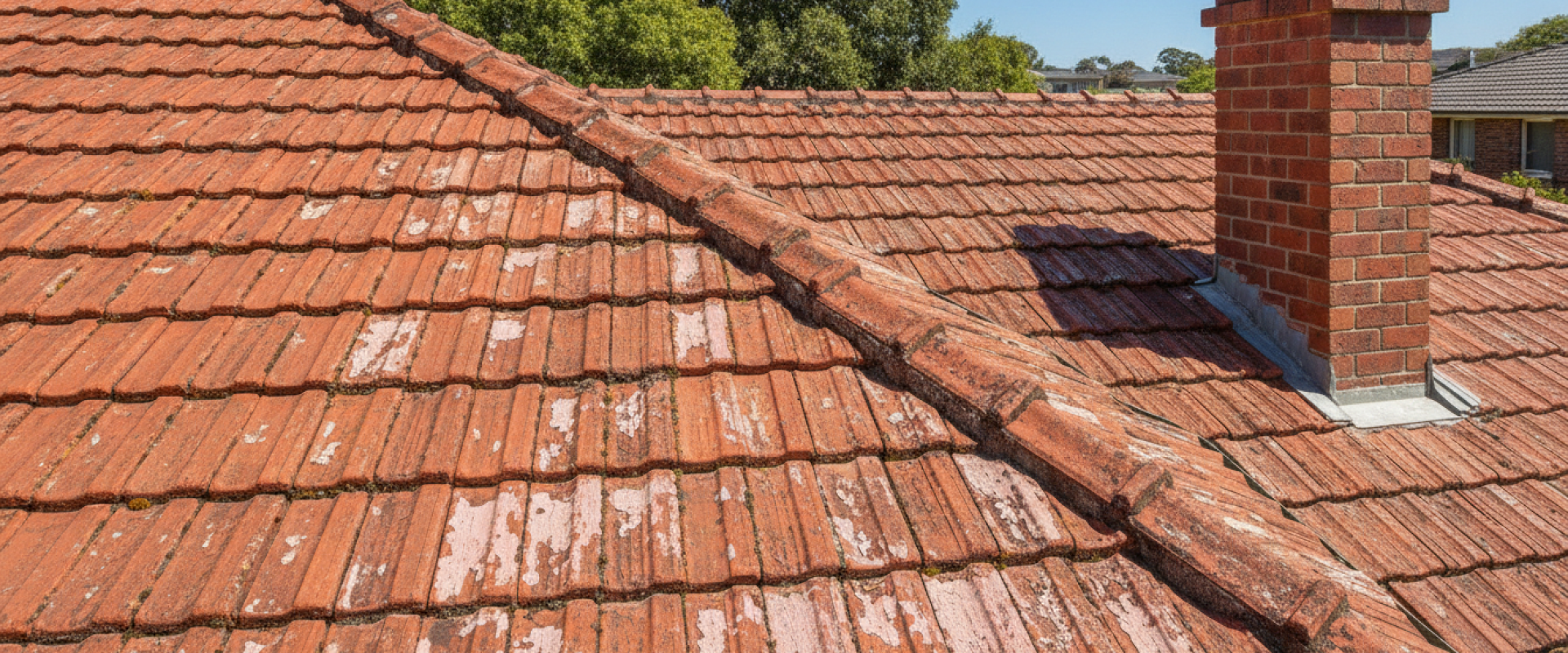
Your roof is your home’s first line of defence against Sydney’s unpredictable weather, from scorching sun to torrential downpours. Over time, these harsh conditions can take a toll, leading to subtle yet significant signs your roof needs restoration. Identifying these early warning signs can save you from extensive damage, costly repairs, and potential health hazards caused by moisture intrusion. This guide will help you diagnose common roof problems, understand their urgency, and know when it’s time to call in the professionals for a thorough inspection and quality roof restoration services.
Key Takeaways
- Recognise six critical visual and structural signs that indicate your roof is deteriorating.
- Understand how Sydney’s unique climate accelerates roof degradation and exacerbates these issues.
- Distinguish between minor cosmetic wear and severe damage requiring immediate professional attention.
- Learn the practical steps to take after identifying potential roof problems, including when to seek expert help.
- Protect your home from expensive long-term damage by addressing early warning signs proactively.
The Six Warning Signs Your Roof Needs Restoration
Staying vigilant about your roof’s condition is crucial for maintaining your home’s integrity. Here are six key indicators that suggest your roof might be due for professional attention.
1. Cracked, Chipped, or Broken Roof Tiles
Whether your home features traditional terracotta tiles, robust concrete tiles, or modern Colorbond sheeting, visible damage like cracks, chips, or outright breaks are significant red flags. These imperfections compromise your roof’s protective barrier, allowing water to penetrate the underlying structure. Sydney’s intense UV radiation can make tiles brittle over time, while heavy rainfall and severe storms can cause direct impact damage, leading to chips and breaks.
Even a small crack can allow water to seep in, leading to timber rot, ceiling damage, and mould growth. Ignoring these issues can escalate into major structural problems, particularly during heavy downpours predicted by the Bureau of Meteorology.
2. Faded, Peeling, or Worn Roof Coating
The protective coating on your roof, whether paint or a dedicated sealant, acts as a sacrificial layer against the elements. If you notice your roof’s colour has faded, or the coating is peeling or flaking, it signifies that this crucial layer is no longer performing its job effectively. This is particularly common in Sydney, where intense sun exposure causes UV degradation, breaking down the coating’s integrity.
A compromised coating means your roof tiles or sheeting are directly exposed to UV rays and moisture, accelerating material degradation. It reduces the roof’s waterproofing capabilities and can lead to porous tiles absorbing water, adding significant weight, and encouraging moss and algae growth. Addressing this sign promptly can prevent more extensive damage and maintain the aesthetic appeal of your home. You might also consider researching the best roof coating options for Sydney homes.
3. Water Leaks, Damp Patches, or Moisture Damage Inside Your Home
This is perhaps the most urgent and undeniable sign of roof deterioration. Any visible water stains on your ceilings or walls, damp patches, or the unmistakable smell of mildew and mould inside your home point directly to a compromised roof. These leaks often manifest after heavy rainfall, but can also be subtle, slowly causing damage over time.
Sydney’s frequent heavy rain events, often predicted by the Bureau of Meteorology, put significant stress on roofs, exposing any weak points. Ignoring a roof leak can lead to severe structural damage, electrical hazards, and unhealthy indoor air quality due to mould and mildew. Prompt roof leak repair is essential to prevent these issues from escalating.
Concerned About Your Roof’s Health?
Don’t wait for minor issues to become major problems. Speak with an expert to understand your roof’s condition and discuss potential solutions.
4. Moss, Lichen, or Algae Growth
While often seen as merely an aesthetic issue, the presence of moss, lichen, or algae on your roof is a clear indicator of moisture retention and potential underlying problems. These growths thrive in damp, shaded conditions, and their roots can penetrate the surface of your tiles, causing them to degrade and become porous.
Sydney’s high coastal humidity and regular rainfall create an ideal environment for these growths. Over time, they can trap moisture against the roof surface, leading to accelerated erosion of the tile’s protective layer, especially for concrete and terracotta tiles. This makes the roof more susceptible to water absorption and further damage, compromising the integrity of your roof membrane.
5. Ridge Capping Deterioration
The ridge capping forms the protective seal along the peaks and hips of your roof, typically held in place by mortar. If you notice cracks in the mortar, loose or displaced ridge caps, or even missing sections, your roof’s structural integrity is at risk. The ridge capping is crucial for preventing water ingress at the most vulnerable points of your roof.
Sydney’s severe storms, with strong winds and heavy rain, can exert immense pressure on ridge capping, causing mortar to crack and crumble. Once compromised, water can easily penetrate, leading to significant leaks and damage to the roof’s timber structure. Re-bedding and re-pointing of ridge caps are common components of roof restoration to address this issue.
6. Structural Sagging or Visible Deformation in the Roofline
This is a severe warning sign that demands immediate attention. If you observe any noticeable sagging or unevenness in your roofline, it indicates significant underlying issues such as weakened timber supports, waterlogged insulation, or foundational problems. This type of deformation is not merely cosmetic; it points to a structural failure that could compromise the safety of your entire home.
While less common, prolonged exposure to excessive moisture from undetected leaks can weaken roof timbers, especially in Sydney’s humid environment. Any visible deformation should trigger an urgent professional inspection to assess the extent of the structural damage and prevent a potential collapse.
Early detection of roof issues is your best defence against costly repairs. Sydney’s climate demands a proactive approach to roof maintenance.
Cosmetic Wear vs. Structural Damage: Knowing the Difference
Not every imperfection on your roof is an emergency. Understanding whether what you see is cosmetic wear that can be monitored or structural damage that needs prompt action helps you respond proportionally and avoid either overpaying for unnecessary work or ignoring a problem until it becomes catastrophic.
Signs That Can Usually Wait (Monitor and Schedule)
These issues are real, but they indicate surface-level degradation rather than an active failure of the roof’s protective envelope:
- Uniform colour fading across the entire roof — this means UV exposure has worn the topcoat, but if there is no peeling, flaking, or bare substrate visible, the underlying tile or sheeting is still protected. You have time to plan a recoat rather than react to a crisis.
- Light, patchy moss or algae on shaded sections — a thin film of green in a sheltered valley or behind a dormer is common in Sydney’s humidity. As long as the growth is superficial and the tiles underneath feel solid (not soft or chalky), a professional clean followed by a fungicidal treatment is usually sufficient.
- A single hairline crack in one tile with no corresponding stain on the ceiling below — isolated surface cracks on concrete tiles are common after a harsh summer. If there is no evidence of moisture getting through, a targeted tile replacement or sealant repair can be scheduled at your convenience rather than treated as an emergency.
Signs That Need Prompt Professional Attention
These issues indicate the roof’s ability to keep water out has already been compromised, or that structural integrity is at risk:
- Multiple cracked or broken tiles, especially in a concentrated area — this is not cosmetic. Several failures in the same zone usually mean the battens or sarking underneath are also affected, and water is likely entering the roof cavity with every rain event.
- Peeling or flaking coating that exposes bare tile or sheeting — once the substrate is exposed, moisture absorption accelerates rapidly. Concrete tiles can gain kilograms of water weight per square metre, stressing battens and fixings. This is a tipping point, not just a cosmetic issue.
- Any water stain, damp patch, or mould inside the home — by the time moisture is visible indoors, water has already travelled through the roof membrane, sarking, and possibly timber framing. The visible stain is the end of the damage chain, not the beginning.
- Ridge capping with cracked, crumbling, or missing mortar — ridge lines and hips are the highest points of the roof and bear the full force of wind-driven rain. Even small mortar gaps at these locations can channel litres of water into the roof cavity during a single storm.
- Any visible sag, dip, or unevenness in the roofline — this is the most urgent sign on this list. Sagging means timber supports have weakened, usually from prolonged hidden moisture damage. This is a structural safety issue that warrants an immediate professional inspection, not a scheduled maintenance visit.
A useful rule of thumb: if the damage is limited to the outermost surface layer and there is no sign of moisture getting through, you can monitor and plan. If water is getting past the surface — or if the roof’s shape has changed — act now.
What Roof Restoration Involves – Brief Context
When we talk about professional roof restoration, we’re referring to a comprehensive process designed to bring your existing roof back to its optimal condition, enhancing both its durability and aesthetic appeal. It’s more than just a repair; it’s a rejuvenation of your roof’s entire system. Typically, roof restoration involves several key steps:
- Thorough Inspection: A professional will assess the entire roof, identifying all existing damage, potential weak points, and areas of concern.
- Cleaning and Preparation: This involves high-pressure cleaning to remove all moss, lichen, algae, dirt, and loose debris, ensuring a clean surface for repairs and coatings.
- Repair Work: This stage addresses specific damages, such as replacing cracked or broken tiles, re-bedding and re-pointing ridge capping, and repairing any damaged flashings or gutters.
- Sealing and Priming: A primer or sealer is applied to the clean, repaired surface to promote adhesion for the final coating and enhance waterproofing.
- Application of Protective Coating: One or more layers of a high-quality, durable roof coating are applied. This not only restores the roof’s appearance but also provides a new protective barrier against UV radiation, rain, and other environmental factors.
Understanding these steps helps homeowners grasp the value of professional intervention when their roof shows signs of wear and tear.
What to Do If You Notice These Signs
Identifying these warning signs on your roof is the first crucial step. The next is to act appropriately to prevent further damage.
When a Clean or Patch May Be Enough
Not every roof issue requires a full restoration. In some cases, a targeted response is the right call:
- Light moss or algae with no tile softening: A professional high-pressure clean followed by a fungicidal treatment can remove surface biological growth and slow regrowth. This is maintenance, not restoration, and is typically far less costly.
- One or two cracked tiles with no interior moisture signs: A roofer can replace individual tiles and check the sarking underneath in a single visit. If the sarking and battens are dry and intact, no broader work is needed.
- Minor surface fading with coating still intact: If the coating is not peeling or flaking — just faded — it is still providing some UV and moisture protection. You can plan a recoat within the next 12–24 months rather than treating it as urgent.
When to Call a Professional for a Full Inspection
If you observe any of the following, a simple clean or patch is unlikely to be sufficient, and a comprehensive professional inspection is the right next step:
- Multiple damaged tiles, especially if they are clustered in the same area or if you can see daylight or debris in your roof cavity.
- Any water stain, damp patch, or mould smell inside the home — this means the damage has already moved beyond the roof surface and into the structure.
- Ridge capping with visible mortar gaps or loose caps — these failures allow water entry at the most exposed points of the roof, and DIY mortar repair rarely achieves the seal or longevity of professional re-bedding and re-pointing.
- Coating that is peeling, flaking, or exposing bare substrate — once the protective layer has failed, the tiles or sheeting underneath begin absorbing moisture, and the damage curve steepens quickly.
- Any sagging or unevenness in the roofline — this is a structural concern. Do not walk on the roof yourself. Call a qualified restorer for an urgent on-site assessment.
St George Painting & Roof Restoration offers comprehensive inspections and advice on the best course of action for your home. Our team can help determine whether a minor repair is sufficient or if a full roof restoration in St George is needed. This is where understanding the difference between roof repair and restoration becomes important. Seeing examples of our Portfolio & Gallery can also help build confidence in our expertise.
What to Expect from a Roof Inspection
A professional roof inspection typically involves a thorough, systematic assessment of your entire roof system. Expect the inspector to:
- Examine the Roof Surface: They will check for cracked, broken, or missing tiles, signs of fading or peeling coatings, and any moss or algae growth.
- Inspect Ridge Capping: Mortar condition, alignment, and security of ridge caps will be closely scrutinised.
- Check Flashings and Valleys: These critical areas for water diversion are often points of failure and will be checked for integrity.
- Assess Gutters and Downpipes: Blockages, damage, or improper drainage can contribute to roof problems.
- Inspect Interior (if applicable): They will look for water stains, dampness, or mould in your attic or ceiling spaces that indicate leaks.
- Provide a Detailed Report: You should receive a comprehensive report outlining findings, recommended repairs or restoration, and a clear quote.
An expert inspection provides peace of mind and clarity on the steps needed to protect your home, highlighting why professional restoration matters.
Frequently Asked Questions
How often should I have my roof inspected?
It’s recommended to have your roof professionally inspected every 2-5 years, or immediately after any severe weather event. This proactive approach can catch minor issues before they escalate into major problems, especially given Sydney’s intense weather patterns.
Can I fix minor roof damage myself?
While some very minor issues like cleaning gutters might be DIY-friendly, anything involving working at heights, replacing tiles, or addressing structural issues should be left to professionals. Roof work carries significant safety risks, and improper repairs can lead to further damage and void warranties.
What is the lifespan of a restored roof?
The lifespan of a professionally restored roof can vary depending on the materials used, the quality of the restoration, and ongoing maintenance. Generally, a well-executed roof restoration can extend your roof’s life by 10-15 years or more, offering significant protection and aesthetic improvement.
Does roof restoration include gutter repair?
Often, professional roof restoration services include an assessment of your guttering system. While not always a full replacement, minor repairs, cleaning, and ensuring proper drainage are typically part of the comprehensive service to ensure your entire roof system functions optimally.
Conclusion
Your roof is a significant investment and a critical component of your home’s protection. By understanding and recognising these six warning signs your roof needs restoration, you can take proactive steps to safeguard your property. Sydney’s unique climate, with its intense UV radiation, heavy rainfall, high coastal humidity, and regular severe storms, can significantly accelerate roof degradation, making regular vigilance essential.
Don’t wait for a small crack to become a major leak or for faded paint to lead to structural rot. Early detection and professional intervention can prevent minor issues from escalating into expensive and disruptive problems. If you’ve observed any of these signs, the practical next step is straightforward: walk your property at ground level, note what you can see, and compare it against the six signs above. If anything matches — particularly water intrusion, ridge capping failure, or any change in the roofline’s shape — request a professional inspection. For surface-level wear like mild fading or light moss, schedule a maintenance visit at your convenience rather than waiting until it worsens.
Protect your home and ensure its longevity by addressing these warnings head-on. Investing in restoring and protecting your roof is an investment in your peace of mind and the structural integrity of your home.
Related resources
Visit St George Painting & Roof Restoration Today
Ensure your roof can withstand Sydney’s harsh elements. Request a free quote from St George Painting & Roof Restoration to get tailored advice and a clear plan for your roof’s restoration.